Australia’s Specialists in Trailer Parts & Accessories

Your trusted supplier of trailer parts


20+ Years of Expertise

Need advice? Our specialists are here to assist you

Quality Guaranteed

Our parts are designed to suit the toughest conditions

ISO 9001 Certified

Globally Recognised as an ISO9001 Certified Company

EASYLIFT JOCKEY WHEELS

Australia’s #1 Jockey Wheel

Started in 1996, Easylift is the inventor and manufacturer of Australia’s number one jockey wheel. Our jockey wheels are built to last in the toughest conditions. See how Easylift can help you today.


  • Australian made and designed jockey wheels
  • Trusted by Australia’s biggest hire companies
  • Over 20 years of manufacturing experience

View Now

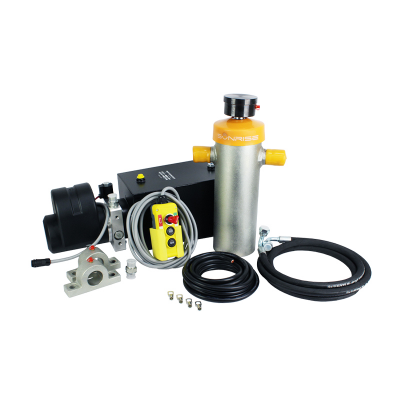
HYDRAULIC TIPPER KITS

Tipping Made Easy

Sunrise has recently brought along our own hydraulic tipper kit range.  Designed to Australian standards our kits range from 800mm to 1200mm stages. Perfect for upgrading your 8 x 5 trailer.


  • Manufactured exclusively from seamless steel tube
  • Maximum safety and service life
  • Ultra high yielding and tensile strength

View Now

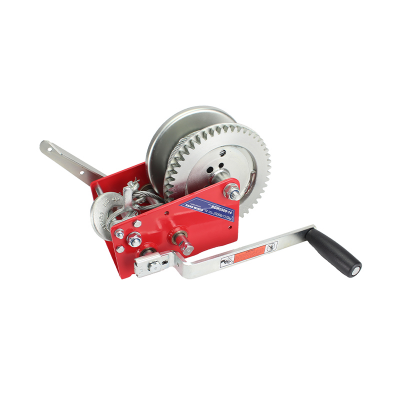
PREMIUM TRAILER WINCHES

Safely Pull Your Boat

Take a look at our latest winch range. All our winches undergo rigorous testing to ensure they can withstand the heaviest loads. Got a boat you want to take out to sea? Check out our marine winches today.


  • Wide range of hand, auto brake, electric and marine winches
  • Perfect ford boat trailers and car carriers
  • Used by thousands all over Australia

View Now

Why Sunrise?

We pride ourselves on Quality, Expertise & Service


Sunrise is an Australian owned family run business and a market leader in supplying the industry with our extensive range of caravan, boat and trailer parts. We have a wide range of quality towing accessories, electrical components and jockey wheels. Speak with one of our friendly staff for expert advice to get the right part you need from our wide selection of trailer parts.

More About Us


Quick Dispatch

Orders are ready to be shipped Australia wide or picked up via Click & Collect typically within one to two business days


Expert Support

With over 20+ years of experience, our team are always ready to assist with any enquiries you may have


ADR Compliant

Our products are designed, manufactured and rigorously tested to comply with Australian Design Rules


Simple Returns

Rest assured we offer hassle free change of mind returns for all our products. Click here to view our Returns Policy 


Quick Dispatch

Orders are ready to be shipped Australia wide or picked up via Click & Collect typically within one to two business days


Expert Support

With over 20+ years of experience, our team are always ready to assist with any enquiries you may have


ADR Compliant

Our products are designed, manufactured and rigorously tested to comply with Australian Design Rules


Simple Returns

Rest assured we offer hassle free change of mind returns for all our products. Click here to view our Returns Policy 


OUR PARTNERS

Article Slider

Product Info

Custom Axle Order Form

Looking to build a new trailer? Need a quote on your custom axle? We have our very own in-house engineers and trailer experts to help you find the best set up for your needs. With guided trailer planning, we understand that each of our customers have different requirements. Manufacturing custom, tailored sized and shaped axles is now made easier with the new custom axle order form we’ve provided below. Committed to providing Australia with excellent service and quality, the Sunrise team want to make sure you are served to the best of our ability; if you require any assistance in completing the form, feel free to send us any questions via email at (sales@sunriseint.com.au) or give us a call on 03 9794 0415 and a team member will be happy to answer any questions you may have. Click to download: Custom Axle Order Form
Axle Specifications

The Ultimate Guide to Drop Axles for Improved Caravan Performance

Drop beam axles provide a lower ride height than a straight or overlay beam axle. Using a drop plate, the stub axle and axle shaft are welded onto either side, allowing for a lower height. These are typically used for race car trailers and horse floats where lower heights are required for easier entry and exit. Here at Sunrise we proivde 2" and 4" drop axles. One of the key components that can make a big difference in the way your caravan handles and performs is the drop axle. In this post, we'll take a look at what drop axles are, how they work, and how they can improve the performance of your caravan. What are Drop Axles? Drop axles are a type of suspension component that are designed to lower the center of gravity of an caravan. This can be beneficial for several reasons, including improved handling and stability, as well as increased towing capacity. The way that drop axles work is by lowering the entire axle assembly, which includes the wheels and tires. This can be done by either shortening the axle itself, or by attaching it to the frame at a different point. The Benefits of Drop Axles for Caravans Improved handling and stability: Lowering the center of gravity of the trailer makes it less likely to roll or tip over in windy conditions or when making sharp turns. Increased towing capacity: Lowering the axles can help distribute the weight of the trailer more evenly, which can prevent the axles from becoming overloaded. Better clearance: Drop axles can provide more clearance for the trailer, which can be especially useful for trailers that will be traveling on rough or off-road terrain. Enhanced aesthetics: Drop axles can also improve the overall appearance of the trailer, making it look sleeker and more streamlined. Better suspension: Drop axles can also improve the suspension of the trailer, which can help absorb bumps and vibrations on the road. Increase the lifespan of the tires: Drop axles can also reduce the wear and tear on the tires of the trailer, which can increase the lifespan of the tires. How to Choose the Right Drop Axles for Your Caravan When it comes to choosing drop axles for your caravan, there are a few things to keep in mind. First, you'll want to make sure that the drop axles you choose are compatible with your caravans make and model. This will ensure that they fit properly and work as intended. You can contact our friendly staff to help you with working out what size you need. Next, consider the load capacity of the drop axles you're interested in. Make sure that they can support the weight of your caravan and any additional loads you plan to carry. Overall, drop axles can be a great way to improve the performance and appearance of your caravan. By lowering the center of gravity and distributing weight more evenly, they can help to improve handling, stability, and towing capacity. When choosing drop axles for your caravan, be sure to consider compatibility, load capacity, and overall appearance."  
Technical Info

Bearing Numbers and Information

Bearings are commonly used in trailer parts such as between your brake drum, discs or hubs. They consist of two parts, the cup and the cone, which are pressed into the hub to aid smooth, rolling rotation for your wheels during towing. In each hub, there are two pairs of bearings, one for the outer and one for the inner, both of which have one cup and one cone. The outer bearings pair (closest to the curb) are the smallest and the inner bearing pair (closest to the trailer) are the larger bearings. The inner bearings are matched with an oil/grease seal to perfectly fit and prevent lubricants from escaping the bearings. In each hub, there are two pairs of bearings, one for the outer and one for the inner, which each have one cup and one cone. When building or repairing a trailer, bearings can be a complex part to break down. Using the table below, we’ve provided a chart which provides information to find out which bearings you need. It includes bearing numbers, the OD (outer diameter) and ID (inner diameter) as well as the width, which should make finding the part you need as easy as possible. How to Check What Bearings I Need? If you're looking to find the trailer bearing numbers on your trailer, there are a few different ways to go about it. Here are a few tips to help you locate the information you need: Check the owner's manual: Many trailers come with an owner's manual that includes information about the bearings. If you still have the manual, it's worth checking to see if the bearing numbers are listed. Look for a label or sticker: Many trailers have a label or sticker on them that includes the bearing numbers. This label or sticker may be located on the axles or on the frame of the trailer. Inspect the bearings: If you can't find the bearing numbers through the above methods, you may need to inspect the bearings themselves. The bearing numbers are typically stamped on the bearings. Contact the manufacturer: If you're still having trouble finding the bearing numbers, you can contact the manufacturer of your trailer. They should be able to provide you with the information you need. Use online resources: Lastly, you can try searching online for resources that can help you find the bearing numbers on your trailer. There are many forums, FAQ sections, and online guides available that can help you find the information you need. The Importance of Bearing Maintenance Let's discuss the importance of regular maintenance for trailer bearings. Trailer bearings should be inspected and lubricated at least once a year, or more frequently if you use your trailer frequently or for long distances. This can be done by a professional mechanic or by yourself, with the right tools and knowledge. When inspecting your trailer bearings, look for signs of wear and tear such as discoloration, rust, or damage to the seals. If you notice any of these issues, it's time to replace the bearings. It's also important to note that if you experience issues with vibration or noise while towing your trailer, this could be a sign that your bearings need to be replaced. Picking The Right Bearings When it comes to choosing the right bearings for your trailer, there are a few factors to consider. The first thing to consider is the size and weight of your trailer. The bearings that are suitable for a small utility trailer may not be suitable for a large horse trailer. It's also important to consider the type of terrain and weather conditions your trailer will be exposed to, as this can affect the durability of the bearings. Another important factor to consider when choosing trailer bearings is the quality of the bearings. It's important to choose bearings from a reputable manufacturer that are known for their durability and quality. Avoid buying low-quality bearings as they may not last as long and can cause more damage to your trailer in the long run. You can view our entire range of trailer bearing range by clickiing here.   In conclusion, regular maintenance and care of your trailer bearings can help prolong their lifespan and ensure the safety and smooth operation of your trailer. By keeping an eye out for signs of wear and tear, replacing them when necessary, and choosing the right bearings for your trailer, you can ensure that your trailer is always ready to hit the road. Here at Sunrise, our hands-on team can provide expert help and advice on bearings, whether it is determining which bearings you have, or selecting the appropriate grease needed. Please reach out if you need any other information. Bearing Type Bearing No. Part Location OD ID Width LM LM67010 Cup Inner LM LM67048 Cone Inner 59mm 31.75mm 15.87mm LM LM11910 Cup Outer LM LM11949 Cone Outer 45.23mm 19.05mm 15.49mm LM Seal Seal 59mm 37.5mm S/Line L68110 Cup Inner S/Line L68149 Cone Inner 59.13mm 35mm 15.87mm S/Line LM12710 Cup Outer S/Line LM12749 Cone Outer 45.24mm 22mm 15.49mm S/Line 28600 Seal Seal 59mm 43.9mm Parallel L68110 Cup Inner/Outer Parallel L68149 Cone Inner/Outer 59.12mm 35mm 15.87mm Parallel 28600 Seal Seal 59mm 43.9mm USA L68110 Cup Inner USA L68149 Cone Inner 59.97mm 35mm 15.87mm USA L44610 Cup Outer USA LRR649 Cone Outer 26.99mm 50.29mm 14.22mm USA USA Seal Seal Seal 65.05mm 43.69mm 2T 25520 Cup Inner 2T 25580 Cone Inner 82.93mm 44.45mm 23.81mm 2T 15123 Cup Outer 2T 33940 Seal Seal 85.5mm 48.5mm
Product Info

Hydraulic Tipper Kit Information

Hydraulic tipper kits are becoming increasingly popular among those who need to haul heavy loads and want a more efficient way to do it. These kits allow you to easily convert your standard trailer into a hydraulic tipper, making it easy to unload heavy loads with the push of a button. In this blog post, we'll go over everything you need to know about hydraulic tipper kits, including the benefits, how to install them, and what to look for when selecting one. What Are the Benefits of a Hydraulic Tipper Kit? First, let's start with the benefits of using a hydraulic tipper kit. The main advantage is the ability to easily unload heavy loads without the need for manual labor. This can save time and effort, especially for those who frequently haul heavy loads. Additionally, hydraulic tipper kits also provide more control over the unloading process, allowing you to tilt the trailer to the desired angle. Hydraulic Tipper Kits allows you to convert your top tray ute into an underbody tipper ute. Our hydraulic tipper kits include European Brand, Binotto Hydraulic Tipping Hoist, Bucher Hydraulics DC Power Packs, Hose & Electrical Kit, all of which are sourced from renowned manufacturers. How to Install a Tipper Kit? When it comes to installation, hydraulic tipper kits are relatively easy to install. The kit includes all the necessary components, such as hoses, cylinders, and control valves, along with detailed instructions on how to install them. However, it is recommended to have some mechanical knowledge or experience with trailers to install the kit properly, or seek professional help. How to Select The Right Hydraulic Tipper Kit? When selecting a hydraulic tipper kit, there are a few things to keep in mind. First, you'll want to make sure that the kit is compatible with your trailer. This means checking the weight and size of your trailer to ensure that the kit can handle the load. Additionally, you should also consider the type of loads you'll be hauling and the frequency of use, as this will impact the size and power of the kit that you'll need. Another important aspect to consider when selecting a hydraulic tipper kit is the quality of the components. Look for kits that use high-quality materials and components, as this will ensure that the kit will last longer and perform better. Additionally, it's also a good idea to look for kits that come with a warranty, in case something goes wrong. You can view our entire range of Hydraulic Tipper Kits and Accessories by Clicking Here. What Are The Regulations Behind Tipper Kits? Without a certified tipper kit, a tipper body will not meet Australian Standard 1418.8 or Occupational Health & Safety regulations unless a Cylinder Blocking System or similar safety device is fitted in place. We’ve made sure that all of our kitted products stocked will meet all Australian regulations required for your new tipper kit. Binotto for example, operates under the highest International Quality Standard (ISO 9001) and maintains a zinc finish which corresponds to ISO 9228 Neutral Salt Spray tests. “Without a certified tipper kit, a tipper body will not meet Australian Standard…”  Here at Sunrise, we’ve comprised a vast stock range to best suit your required lift stages or capacity ratings. Please see the table and reference image below. If you require more information, contact your local Sunrise store where a team member can help with any enquiries you may have. In conclusion, hydraulic tipper kits are a great option for those who need to haul heavy loads and want a more efficient way to do it. With the ability to easily unload heavy loads and more control over the unloading process, these kits can save time and effort. When selecting a hydraulic tipper kit, make sure it's compatible with your trailer, consider the type of loads you'll be hauling, the frequency of use, and the quality of the components. A warranty is also a plus. With the right hydraulic tipper kit, you can enjoy the benefits of easy and effortless unloading for years to come. Code HR825S4S HR1039S5S HR1245S5S HR1000S6S STAGE 4 5 5 6 STROKE (mm) 825mm 1030mm 1245mm 1000mm PIVOTS (48° mm) 1020mm 1270mm 1540mm 1230mm CAPACITY (ton) 4.5T 5T 5T 4T VOLUME (L) 3.6L 5.5L 6.7L 4.7L WEIGHT (kg) 20kg 24kg 28kg 20kg A 110mm 125mm 125mm 125mm B 40mm 40mm 40mm 40mm C 40mm 40mm 40mm 40mm D 148mm 148mm 148mm 148mm E 207mm 207mm 250mm 182mm F 157mm 160mm 160mm 148mm G 364mm 367mm 410mm 330mm H 45mm 45mm 45mm 45mm I 88mm 88mm 88mm 88mm J 45.5mm 45.5mm 45.5mm 45.5mm K 18mm 18mm 18mm 18mm L 33mm 33mm 33mm 33mm M 105mm 105mm 105mm 105mm N 140mm 140mm 140mm 140mm O 37mm 37mm 37mm 37mm P 15mm 15mm 15mm 15mm
Product Info

Safety Chain Compliance

Whether you're towing for the first time or you're an experienced tower, you may have some questions or doubts on the requirements of having compliant safety trailer chains. The team at Sunrise are here to help make sure you have the right answers to meet legal requirements. The Legal Requirements of Safety Chains Safety chains are mandatory throughout Australia. They serve to maintain the connection between a trailer and its towing vehicle should there be any coupling failure. The first step in finding the right chain is to understand the term Aggregate Trailer Mass (ATM). The ATM is the total weight of a trailer and its maximum (or full) load when NOT coupled to a vehicle. This figure is commonly stamped onto the trailer VIN plate. Safety chains must be marked in accordance to the relevant Australian Standard and your trailer ATM. Australian Standard for Safety Chains Safety chains are an important component of trailer safety in Australia and must comply with Australian Standards AS 4177.4-1994 or AS 4177.4-2004. These standards outline the requirements for safety chains on trailers and other vehicles that are used for towing. Where Should I Attach Safety Chains? According to these standards, safety chains must be attached to the tow vehicle and the trailer in a way that prevents the trailer from becoming detached in the event of a failure of the tow hitch or other connection. Safety chains must be of a suitable size, strength, and design to prevent the trailer from separating from the tow vehicle. The safety chains must be attached to the tow vehicle and the trailer in such a way that they are taut when the trailer is connected to the tow vehicle, but not so tight that they impede the movement of the trailer. They must also be easily accessible for inspection and maintenance. It's also important to note that safety chains must be visible and not obscured by any other equipment or parts of the trailer or tow vehicle. Where Can i Purchase Safety Chains Sunrise has an extensive range of safety chains. You can view all our safety chains here. What Rating is Required for Safety Chains on Trailers? The standard also specifies the minimum breaking strength of the safety chains, which is typically around 2.5 times the Gross Trailer Mass (GTM) of the trailer. It also specifies the minimum number of safety chains that must be used, which is typically two. Your trailer ATM will help to determine which safety chain you will need. See the guide below to help you find your suitable safety chain: ATM less than or equal to 2.5T If your trailer ATM does not exceed 2.5 tonnes, you must have at least one safety chain complying and stamped with Australian Standard AS 4177.4-1994 or Australian Standard AS 4177.4-2004 “Caravan and light trailer towing components, Part 4: Safety chains up to 3500 kg capacity”. 2.5T < ATM ≤ 3.5T If your trailer ATM is over 2.5 tonnes but does NOT exceed 3.5 tonnes, you must have two safety chains complying and stamped with Australian Standard AS 4177.4-1994 or Australian Standard AS 4177.4-2004 “Caravan and light trailer towing components, Part 4: Safety chains up to 3500 kg capacity”. ATM > 3.5T If your trailer ATM is over 3.5 tonnes, the safety chain must be permanently attached to the trailer; shackles are not permitted. The safety chain must not be welded to the draw bar. Alternatively, a plate welded to the draw bar, or an appropriate device like the Hammerlock Hook may be used. You must have two safety chains made of steel. They must have a minimum 800 MPa breaking stress that conforms to the mechanical properties of Grade T chain. This is specified in Australian Standards AS 2321-1979 “Short Link Chain for Lifting Purposes (Non Calibrated)“. Alternatively, safety cables with equal capacity to the relevant safety chains may be used on towing vehicles with ATM up to 3.5T.   Note: Any trailer without breakaway brakes must be fitted with safety chains that are marked in accordance with relevant Australian standards depending on your trailer ATM. Contact your local Sunrise store for more information on your trailer safety chains and trailer ATM. We are always happy to help, visit us in store where a team member can assist with any enquiries you may have.
Axle Specifications

Straight Beam Axles

Straight beam axles are the most classic and common type of axles. Typically used on domestic trailers, utility trailers, boat trailers and more. Straight beam axles are manufactured using a single, solid piece of steel making them strong and durable. When it comes to trailers, the type of axle you choose can have a big impact on its performance and functionality. One option that many trailer owners turn to is the straight beam axle. In this post, we'll take a look at what straight beam axles are, how they work, and the benefits they can offer for your trailer. What Are Straight Beam Axles? A straight beam axle is a type of trailer axle that is characterized by its straight, solid design. Unlike more complex axle designs, straight beam axles are made up of a single piece of metal, typically steel, that runs from one wheel to the other. This design is simple and durable, making it a popular choice for many trailer owners. The Benefits of Straight Beam Axles One of the biggest benefits of straight beam axles is their durability. Because they are made of solid steel, they are strong enough to handle the weight and stress of heavy loads. This can be especially beneficial if you plan to use your trailer for hauling heavy equipment or cargo. Straight beam axles also offer a high level of stability. The solid design and lack of moving parts make them less likely to sway or wobble, which can improve the overall handling of your trailer. Another benefit of straight beam axles is their ease of maintenance. Because they have fewer moving parts than other types of axles, they are less likely to experience problems or breakdowns. This can save you time and money in the long run. Finally, straight beam axles are also typically more affordable than other types of axles. This can make them a great choice for those on a budget. In conclusion, straight beam axles are a reliable, durable, and cost-effective choice for trailers. Whether you're hauling heavy loads or simply looking for a stable and easy-to-maintain option, straight beam axles are worth considering."   Note: For the length (L), axles can be manufactured to your required length. Otherwise click here to view our stocked axle sizes. Axle Size (D) Axle Beam Profile Axle Carrying Capacity Machining Profile 39mm Round 750kg LM 40mm Square 1000kg LM 45mm Square 1400kg S/Line 50mm Square 1500kg S/Line 50mm Square 1600kg Parallel 50mm Square 2000kg 2T 63mm Square 2400kg 2T 65mm Round 2400kg 2T
Axle Specifications

Lazy Non-Braked Axles: A Guide to Understanding and Maintaining Them

Trailer axles are a crucial component of any trailer, responsible for supporting the weight of the cargo and providing stability while in motion. Among the different types of axles available, lazy non-braked axles are a popular choice for many trailer owners. In this post, we'll take a closer look at lazy non-braked axles, what sets them apart from other types of axles, and how to properly maintain them. What Are Lazy Non Braked Axles? Lazy non-braked axles, also known as idler axles, are a type of trailer axle that is not connected to the braking system of the vehicle. Unlike other types of axles, such as live or braked axles, lazy non-braked axles do not provide any braking force to the trailer. Instead, they are used as a support system for the weight of the cargo, and are typically found in the middle of a dual-axle trailer setup. Advantages of Lazy Axle Set ups? The main advantage of lazy non-braked axles is their simplicity. Without the need for braking components, these axles are generally easier and less expensive to maintain. Additionally, lazy non-braked axles can be a good choice for trailers that are carrying lightweight cargo, as they are not designed to provide braking force and may not be necessary. However, there are a few important things to keep in mind when it comes to maintaining lazy non-braked axles. It is essential to regularly check the wheel bearings and make sure they are properly lubricated to prevent wear and tear. Additionally, the tires should be properly inflated and in good condition to ensure maximum performance and safety. How do Lazy Axles Compare to Other Trailer Axles? Lazy axles differ from other types of trailer axles, such as live or braked axles, as they are not connected to the braking system of the vehicle. This means they are not designed to provide braking force, but instead are used as a support system for the weight of the cargo. Lazy axles are generally simpler and less expensive to maintain compared to other trailer axles. However, it is important to regularly check the wheel bearings and properly inflate the tires for optimal performance and safety. Things to Shoulder When Selecting an Axle When it comes to selecting the best axle for your trailer, there are several factors to consider. The first thing to consider is the weight of your cargo. Heavy loads will require stronger and more durable axles, such as live axles or braked axles. If you plan to frequently transport lightweight cargo, lazy or idler axles may be a better option as they are simpler and less expensive to maintain. Another important factor to consider is the type of terrain you will be traveling on. Off-road conditions may require more robust axles with higher load capacity. Additionally, it is essential to ensure that the chosen axle is compatible with your towing vehicle and comply with the local laws and regulations 1. Load Capacity When selecting an axle for your trailer, it is important to consider the load capacity, which is the maximum weight the axle can support. It should match the Gross Vehicle Mass (GVM) of the trailer. It is advisable to choose an axle with a higher capacity than what is needed. 2. Tyre and Wheel Capacity When considering the type of axle for your trailer, it is important to take into account the capacity of the wheels and tires, as they can greatly impact the choice of axle. Keep in mind that the wheel and tire load capacities should exceed that of the axle. Additionally, factors such as the length, width of the chassis, axle spacing, stud pattern, mounting position, and backspace of the wheel should also be taken into account when making a selection. Lazy axles consist of a straight beam axle with lazy hubs fitted. (To view our available lazy hubs, click here.)  Here at Sunrise, we are committed to helping our customers. We have provided a guide on how to find your stud pattern so you can get the correct lazy hub for your axle set up. (Click here to find out how you can find your stud pattern here.)   In conclusion, lazy non-braked axles are a popular choice for many trailer owners due to their simplicity and affordability. While they may not provide braking force, they are an important component of a trailer's overall support and stability system. Proper maintenance is essential to ensure that lazy non-braked axles continue to perform at their best and keep your trailer on the road. If you require more information or want to be sure about your measurements, please contact your local Sunrise store where a team member will assist you.
Product Info

The Difference Between Off Road Electric Trailer Magnets and Standard Brakes

There are two varieties of electric brake magnets. In this guide, we’ll clarify the difference between them and explain why it’s crucial to have off-road magnets installed when navigating corrugated roads. At the end of this article, you’ll also find useful tips and guidance on how to inspect magnet wear and key features to watch for. Standard Electric Brakes vs. Off-Road Electric Brakes Electric trailer brakes are one of the most used brakes on Australian Roads. By law in Australia, you are legally required to install electric brakes on any trailer or caravan weighing over 2000kg (GTM). These brakes must also be fitted with a safety breakaway unit. A breakaway unit is an electrical device that will automatically activate in the event a trailer is accidently separated from the towing vehicle. Essentially if a trailer were to accident dis-connect from the trailer while you are traveling up a hill, the pin will be pull out from the break away switch and this will cause the battery in the breakaway unit to activate and send an electrical signal to the electric brakes on your trailer to turn on. A breakaway unit is designed to only provide power for approximately 15 minutes which should be enough time to re-hook the trailer to the car. In electric trailer brakes, when power is supplied to the trailer backing plate the magnet is attracted to the face of the trailer brake drum. The brake shoes of the backing plate are also push out to the drum. Thus, the friction from the trailer magnet and brake shoes touching the drum is what slows down the trailer. It is due to friction that trailer magnets and brakes shoes require frequently replacement, we suggest checking your trailer brakes every 6 months. A standard trailer magnet wears out much faster due to this frictions, especially in off road conditions, often the retaining clip that holds the magnet can come loose in tough terrain. Hence why the off-road style of electric brake magnets is much better and longer lasting. These are most popularly used by our OEM customers. Upgrading to off-road magnets before your next outback adventure can save you time, money, and the inconvenience of waiting for replacement parts. How Dirt Roads Ruin Electric Brakes It's well-known that dirt roads can damage electric brakes. Many caravan owners are unaware that the vibrations from corrugated roads can cause significant harm to their electric brake systems and drums. We've encountered numerous requests for replacement drums. Upon investigation, we often find the magnet has worn through the steel casing, making the electric magnet unusable. Additionally, the magnet arm tends to suffer damage. Customers often find it more efficient and cost saving  to replace the the entire backing plates and purchase new electric drums. Magnet Retaining Clip One important note: off-road magnets do not come with a retaining clip. Sunrise suggests that you can secure the magnet arm with a rubber band. During your first braking event, the rubber band will break, allowing the magnet to shift into its optimal working position. How to Inspect Magnet Wear Here’s how you can check for magnet wear: Each of our magnets has four small holes on face of the magnet; these holes indicate the level of wear. If you can no longer see these tiny four holes then it’s time to replace the magnet. If the magnet’s face has worn down to reveal copper, your brakes will become inoperable due to an open circuit. Key Features Wear indicator holes are located at 3, 6, 9, and 12 o’clock positions. Each magnet draws approximately 3.2 amps. Wires can be connected as either positive or negative. Once the magnet is worn, copper exposure can lead to brake failure. Where to Purchase Replacement Trailer Electric Brakes Sunrise has a wide range of replacement trailer brake parts for electric brakes, the most commonly parts are. The most commonly size for electric trailer brakes is 10" and 12" internal diameter of the drums used. 10" Electric backing plates in left or right side 10" Eletric Trailer Drums 10" Replacement Magents 10" Electric Brakes Shoes  You can also purchase complete trailer electric brake kits here. TIP: To maximize braking performance, bed in new magnets correctly. Initially, the face of the magnet will have a smooth, shiny finish that needs to be roughened through normal use to achieve full effectiveness. This means it make take a couple of drives before the brakes start operating smoothly.

What Trailer Bearings Do I Have and How to Change Them

🚛 Squeaks, grinds, and wobbles - these are the telltale signs of neglected trailer bearings, and they could be spelling disaster for your next journey. But here's the kicker: most trailer owners don't realize they're sitting on a ticking problem until it's too late. Are you one of them? 🤔 Imagine this: You're halfway through your long-awaited road trip when suddenly, your trailer starts behaving erratically. The smooth ride turns into a nerve-wracking ordeal, and before you know it, you're stranded on the roadside. All because of one tiny, often overlooked component - your trailer bearings. But fear not! We're about to dive into the world of trailer bearing maintenance, unlocking the secrets to extending their life and ensuring your adventures remain uninterrupted. Visit our website to explore essential tools and products that make trailer maintenance a breeze. So buckle up and get ready to master the art of trailer bearing maintenance - your future self (and your wallet) will thank you! Understanding Trailer Bearings What are trailer bearings and their function Trailer bearings are crucial components in your trailer's wheel assembly, playing a vital role in ensuring smooth and efficient movement. These small but mighty parts allow the wheels to rotate freely while supporting the weight of the trailer. Bearings reduce friction between the wheel hub and axle, preventing overheating and premature wear. Types of trailer bearings There are two main types of trailer bearings: Roller bearings Ball bearings Type Advantages Best suited for Roller bearings Higher load capacity, better for heavier trailers Large trailers, heavy-duty applications Ball bearings Smoother operation, less friction Smaller trailers, lighter loads Signs of worn-out bearings Recognizing the symptoms of failing bearings is crucial for timely maintenance. Look out for these warning signs: Unusual noises (grinding, squealing, or rumbling) Uneven tire wear Excessive heat from the hub Wheel wobble or vibration Grease leakage on the inside of the tire Regular Inspection: Your First Line of Defense How often to inspect bearings Regular inspection of trailer bearings is crucial for maintaining their longevity and ensuring safe towing. The frequency of inspection depends on several factors: Frequency of use Towing conditions Load weight Manufacturer recommendations Here's a general guideline for inspection intervals: Usage Inspection Frequency Light use Every 3-6 months Moderate use Every 2-3 months Heavy use Monthly After long trips After each trip What to look for during inspection When inspecting your trailer bearings, pay close attention to: Signs of wear or damage Unusual noises or vibrations Excessive heat Grease consistency and color Seal condition Tools needed for inspection To perform a thorough bearing inspection, you'll need: Jack and jack stands Wheel chocks Flashlight Gloves Clean rags Grease gun Bearing packer (optional) Creating an inspection checklist Develop a comprehensive checklist to ensure consistent and thorough inspections: Secure the trailer Jack up the wheel Remove the dust cap Check for play in the wheel Inspect the grease condition Examine the bearings for wear Check the seals for damage Repack with fresh grease if needed Reassemble and adjust By following this inspection routine, you'll catch potential issues early, extending the life of your trailer bearings and ensuring safer towing experiences. Remember, if you're unsure about any aspect of the inspection process, it's always best to consult a professional mechanic. Proper Cleaning Techniques A. Removing old grease and debris To effectively clean your trailer bearings, start by carefully removing all old grease and debris. This process is crucial for ensuring optimal performance and longevity. Begin by using a clean cloth or paper towel to wipe away excess grease. For stubborn residue, employ a putty knife or scraper, being cautious not to damage the bearing surfaces. B. Cleaning solutions and methods Once the bulk of the old grease is removed, it's time to employ cleaning solutions. Here's a comparison of common cleaning methods: Method Pros Cons Solvent bath Thorough cleaning, removes all residue Requires proper disposal, can be harsh Soap and water Eco-friendly, readily available May not remove all grease, risk of rusting Specialized bearing cleaner Designed for bearings, effective More expensive, may require special handling Regardless of the method chosen, ensure thorough cleaning of all bearing components, including the races and cages. C. Drying and preparing for re-lubrication After cleaning, proper drying is essential to prevent rust and ensure effective re-lubrication. Follow these steps: Use compressed air to blow out any remaining cleaning solution Wipe down all components with a clean, lint-free cloth Allow bearings to air dry completely in a dust-free environment Inspect bearings for any signs of wear or damage before re-lubrication With your bearings now clean and dry, they're ready for the next crucial step in maintenance: proper lubrication. This process will ensure smooth operation and protect against wear and corrosion. Mastering the Art of Lubrication Choosing the right grease Selecting the appropriate grease is crucial for maximizing the lifespan of your trailer bearings. Shop premium-grade greases to keep your bearings in top condition, no matter the environment. Consider the following factors when choosing a lubricant: Temperature range Water resistance Load-bearing capacity Compatibility with bearing materials Here's a comparison of common grease types: Grease Type Temperature Range Water Resistance Load Capacity Lithium -20°F to 300°F Good Moderate Calcium -10°F to 250°F Excellent Low Synthetic -40°F to 400°F Very Good High Proper greasing techniques To ensure optimal lubrication: Clean the bearing thoroughly before applying new grease Use a grease gun for even distribution Rotate the bearing while applying grease Fill the bearing cavity completely, but avoid overpacking Avoiding over-greasing Over-greasing can be as detrimental as under-greasing. Signs of over-greasing include: Excessive heat generation Grease leakage from seals Increased power consumption Frequency of re-lubrication Re-lubrication intervals depend on several factors: Usage frequency Environmental conditions Bearing type and size As a general rule, re-lubricate your trailer bearings: Every 12,000 miles or annually for regular use Before long trips or extended storage periods After exposure to water or harsh conditions Proper lubrication is key to extending the life of your trailer bearings. By choosing the right grease, applying it correctly, and maintaining an appropriate re-lubrication schedule, you'll significantly reduce wear and tear on your bearings. Next, we'll explore the correct installation and adjustment techniques to further enhance your bearing's longevity. Correct Installation and Adjustment Steps for proper bearing installation Clean and inspect components Apply grease to bearings Install inner bearing and seal Insert axle into hub Install outer bearing and washer Secure with castle nut and cotter pin Adjusting bearing tension Proper tension is crucial for optimal bearing performance. Follow these steps: Tighten castle nut while rotating hub Back off nut slightly (1/4 turn) Verify smooth rotation with minimal play Secure with cotter pin Common installation mistakes to avoid Overgreasing: Excessive grease can lead to overheating Incorrect tension: Too tight or loose affects performance Misalignment: Ensure even distribution of load Using damaged components: Always replace worn parts Neglecting seals: Properly seated seals prevent contamination Now that we've covered correct installation and adjustment, let's explore how to protect your trailer bearings from environmental factors. Protecting Bearings from Environmental Factors Using quality seals and caps Quality seals and caps are crucial for protecting your trailer bearings from environmental factors. They act as the first line of defense against contaminants that can cause premature wear and damage. Here's a comparison of different seal and cap options: Type Protection Level Durability Cost Rubber Seals High Medium Low Metal Caps Very High High Medium Plastic Caps Medium Low Very Low When selecting seals and caps, consider: Material quality Proper fit for your specific trailer model Ease of installation and removal Strategies for water resistance Water is one of the biggest threats to trailer bearings. Implement these strategies to enhance water resistance: Apply marine-grade grease Install bearing protectors Use waterproof hub covers Regularly inspect and replace worn seals Dealing with extreme temperatures Temperature fluctuations can significantly impact bearing performance. To mitigate these effects: Use high-temperature grease for hot climates Avoid sudden temperature changes when possible Allow bearings to cool before submerging in water Consider thermal barriers for added protection By implementing these protective measures, you can significantly extend the life of your trailer bearings. Next, we'll explore towing best practices that further contribute to bearing longevity. Towing Best Practices for Bearing Longevity Proper weight distribution Proper weight distribution is crucial for maintaining the health of your trailer bearings. An unbalanced load can cause uneven wear and tear, potentially leading to premature bearing failure. To ensure optimal weight distribution: Distribute weight evenly across the trailer Place heavier items over the axles Aim for 10-15% of the total trailer weight on the hitch Here's a quick guide to weight distribution: Position Ideal Weight Percentage Front 40-45% Middle 30-35% Rear 20-25% Avoiding overloading Overloading your trailer puts excessive stress on the bearings, significantly reducing their lifespan. Always adhere to your trailer's maximum weight capacity and consider the following: Know your trailer's Gross Vehicle Weight Rating (GVWR) Weigh your loaded trailer at a public scale Factor in the weight of fuel, water, and supplies Maintaining appropriate speed Excessive speed can cause bearings to overheat and fail. Follow these guidelines: Observe posted speed limits for towing vehicles Reduce speed in adverse weather conditions Maintain a steady pace to prevent sudden temperature changes Cooling techniques for long trips Long trips can cause bearings to heat up significantly. Implement these cooling techniques: Take regular breaks to allow bearings to cool down Consider using bearing protectors or hub oilers Avoid driving through deep water immediately after a long stretch By following these best practices, you can significantly extend the life of your trailer bearings and ensure safer, more reliable towing experiences. Next, we'll explore when it's time to replace your trailer bearings despite your best maintenance efforts. When to Replace Your Trailer Bearings Signs that indicate replacement is necessary When it comes to trailer bearings, knowing when to replace them is crucial for maintaining safety and performance. Get in touch with our team for professional advice or service. Here are key indicators that your trailer bearings need replacement: Unusual noises (grinding, squealing, or rumbling) Uneven tire wear Excessive heat from the hub area Wheel wobble or play Sign Description Urgency Grinding noise Indicates severe damage Immediate replacement Squealing Possible lack of lubrication Soon, within weeks Rumbling Early stages of wear Plan replacement in coming months Uneven tire wear Can be caused by worn bearings Check and replace if confirmed Choosing quality replacement bearings Selecting the right replacement bearings is essential for longevity and performance: Match the exact specifications of your original bearings Opt for reputable brands known for durability Consider upgrading to sealed bearings for better protection Look for bearings with higher load ratings for heavy-duty applications Professional vs. DIY replacement Deciding between professional and DIY replacement depends on your skill level and tools: Professional replacement: Ensures proper installation Provides warranty on work Saves time and potential frustration DIY replacement: Can be cost-effective Allows for immediate attention to the issue Requires specialized tools and knowledge Whichever method you choose, always prioritize safety and follow manufacturer guidelines for the best results. Maintaining your trailer bearings is crucial for ensuring safe and smooth towing experiences. By following the essential steps outlined in this guide, including regular inspections, proper cleaning, correct lubrication, and careful installation, you can significantly extend the life of your trailer bearings. Remember to protect your bearings from environmental factors and adopt towing best practices to further enhance their longevity. Don't wait until you're stranded on the side of the road with a failed bearing. Take proactive steps to care for your trailer bearings, and they'll reward you with reliable performance and peace of mind on your journeys.
Technical Info

LED Light Wiring Instructions

Wiring the lights on your trailer in Australia is not only important for safety, but it is also a legal requirement. In this blog post, we will discuss the different types of trailer light wiring in Australia, the tools and materials you'll need, and tips for troubleshooting common wiring issues. What Lighting do I Need on my Trailer? The Australian Design Rules (ADR) regulates the lighting and markings for all types of vehicles, including trailers. According to ADR, trailer lights must include a brake light, a tail light, a license plate light, and a side marker light, as well as an indicator light for each direction of travel. The most common type of trailer light wiring in Australia is the 7-pin flat system. This system includes the basic lights such as tail lights, brake lights, and turn signals, as well as a center pin for the electric brakes. It also includes a pin for a reverse light, which is mandatory to have in Australia. How to Wire a Trailer Plug Gather the necessary tools and materials: You will need a 7-pin flat trailer plug, a trailer wiring harness, a crimping tool, wire cutters, and electrical tape. Locate the wiring harness on your vehicle: The wiring harness for the trailer plug is typically located near the rear of the vehicle. Consult the vehicle's owner manual for the exact location. Cut the wiring harness: Using wire cutters, cut the wiring harness to the appropriate length to reach the trailer plug. Crimp the wires: Use the crimping tool to attach the wires from the wiring harness to the corresponding pins on the trailer plug. Make sure to match the correct wire colors to the correct pins. Test the lights: Once the wiring is complete, test the lights on the trailer to ensure they are functioning properly. Secure the connections: Use electrical tape to secure all connections and to protect them from the elements. To wire the lights on your trailer, you will need a 7-pin flat trailer plug, a trailer wiring harness, and the appropriate wiring diagram for your vehicle. You will also need basic tools such as wire cutters, crimpers, and electrical tape. When wiring your trailer lights, it's essential to ensure that all connections are clean and secure. Loose connections can cause the lights to malfunction or not work at all. Also, it's important to make sure that the wiring is correctly color-coded according to the ADR standards, as incorrect color-coding can lead to dangerous situations on the road. If you experience any issues with your trailer lights, the first step is to check the connections to ensure they are clean and secure. If the problem persists, you can check the wiring diagram for your vehicle and trailer to see if you've made any mistakes. Another common issue is a blown fuse, so make sure to check that as well. The Importance of Connections Trailer plugs are an essential connecter between your car and any additional unpowered towing vehicle. Anything from a trailer, caravan, campervan, boat trailer to a horsebox. All objects in tow must have a plug connection to be inserted into the socket of your car. This electrical link ensures all lights, brakes and any additional attachments receive power. Basic lighting connections include the left-hand indicator, right hand indicator, brake lights, taillights and side lights. Trying to constantly monitor your trailer lights while driving is not practical, therefore having the correct connections is vital for safe, secure towing and peace of mind. Connectors are a mandatory component on any trailer in Australia, with standardized colours on all core wiring. The most commonly used is the 7 pin plugs. These are available flat or round, the latter available in the large type 1 connector with a 20mm PCD or the small Type 2 connector with a 13mm PCD. Wiring your trailer can be quite confusing, so we’ve made sure our plugs at Sunrise are straight forward and simple to follow. You can view all our Electricals, lights and plugs here. Refer to the table below to better understand what each wire connects to.   Need a hand? Chat with one of our experienced staff to find the perfect plug for your needs. Explore our range of Plugs & Connectors here.
Technical Info

Find Your Stud Pattern

Finding the right stud pattern for your vehicle's wheels can be a tricky task, but with the right knowledge and tools, it can be done with ease. In this blog post, we'll go over everything you need to know about stud patterns, including how to find the stud pattern for your vehicle and what to look for when selecting new wheels. What is a Stud Pattern? First, let's start with the basics. A stud pattern, also known as a bolt pattern, is the arrangement of the holes on a wheel that the studs on your vehicle's hub go through. The stud pattern is measured in a number of holes and the diameter of the circle that they form. For example, a 5x114.3 stud pattern would have 5 holes arranged in a 114.3mm diameter circle. How Do I Find the Stud Pattern of My Wheel? 1.  Look at the Owner's Manual To find the stud pattern for your vehicle, you can start by checking the owner's manual. This should include information on the vehicle's stud pattern, as well as other important wheel and tire specifications. If you don't have the owner's manual, you can also check the door jamb or the vehicle's VIN number for information on the stud pattern. 2. Measure it Directly Another way to find your vehicle's stud pattern is to measure it directly. To do this, you'll need a stud pattern gauge, which is a tool that allows you to measure the distance between the center of each stud hole. This can be purchased online or at a local auto parts store. Once you know your vehicle's stud pattern, you can start looking for new wheels that will fit. When selecting new wheels, it's important to ensure that the stud pattern of the wheels matches that of your vehicle. Additionally, you should also make sure that the wheel's center bore and offset are compatible with your vehicle. When it comes to stud patterns, it's important to remember that not all wheels will fit all vehicles. That's why it's essential to know your vehicle's stud pattern and to select wheels that are compatible. By following these tips, you can find the perfect stud pattern for your vehicle and get the best fit for your new wheels. More on Stud Patterns Stud patterns, also commonly known as bolt patterns, bolt circles, lug patterns or PCD’s (pitch circle diameter) – nevertheless, stud patterns are determined by the diameter of a circle which runs through the centre of a wheels stud holes. Generally, there are 4, 5 or 6 stud holes. This diameter determines your stud pattern, which using the table below, will help provide you important information on your wheel set up such as the stud distance and most commonly used wheel stud size. “…stud patterns are determined by the diameter of a circle which runs through the centre of a wheels stud holes”   Odd and Even Stud Pattern Measurement Methods When it comes to finding the correct fittings for your axles, it is important to know your required stud pattern to match the wheel pattern. For uneven stud holes such as 5 stud patterns, measure from the centre of one stud, to the furthest edge of the most opposite stud. For even stud holes such as 4 or 6 stud patterns, simply measure from the centre of one stud, to the centre of the opposite stud. Compare your measurements to the stud PCD column in the table below to find your stud pattern. Here at Sunrise, we are always happy to lend a helping hand to our customers – if you require more information, or want to be sure about your measurements, contact your local Sunrise store or bring in your wheel and we can help you on the spot. In conclusion, stud pattern is an essential aspect to consider when selecting new wheels for your vehicle. With the right knowledge and tools, you can easily find the stud pattern for your vehicle and select wheels that will fit perfectly. Make sure to pay attention to your vehicle's stud pattern, center bore and offset when selecting new wheels for your vehicle.   Stud Pattern Stud PCD Stud Distance Common Stud Size FORD 5 x 114.3mm 67.18mm 1/2″ COMMODORE 5 x 120mm 70.54mm 7/16″ HQ HOLDEN 5 x 120.65mm 70.91mm 7/16″ HT HOLDEN 5 x 108mm 63.95mm 7/16″ LANDCRUISER/NISSAN 6 x 139.7 69.85mm 1/2″ LANDCRUISER 100 SERIES 5 x 150mm 88.20mm 9/16″ GEMINI 4 x 100mm 70.71mm 7/16″ DATSUN 4 x 114.3mm 80.80mm 7/16″